Everything You Need to Know About Home Inspections in Quebec
A pre-purchase home inspection in Quebec is the critical step that secures your investment by revealing the actual condition of a property's visible and accessible components before the transaction becomes binding. It identifies signs of hidden defects, major issues, and systems reaching the end of their useful life, providing you with the opportunity to renegotiate the price, request repairs, or withdraw from the sale if the findings compromise the building's value. In a complex marke
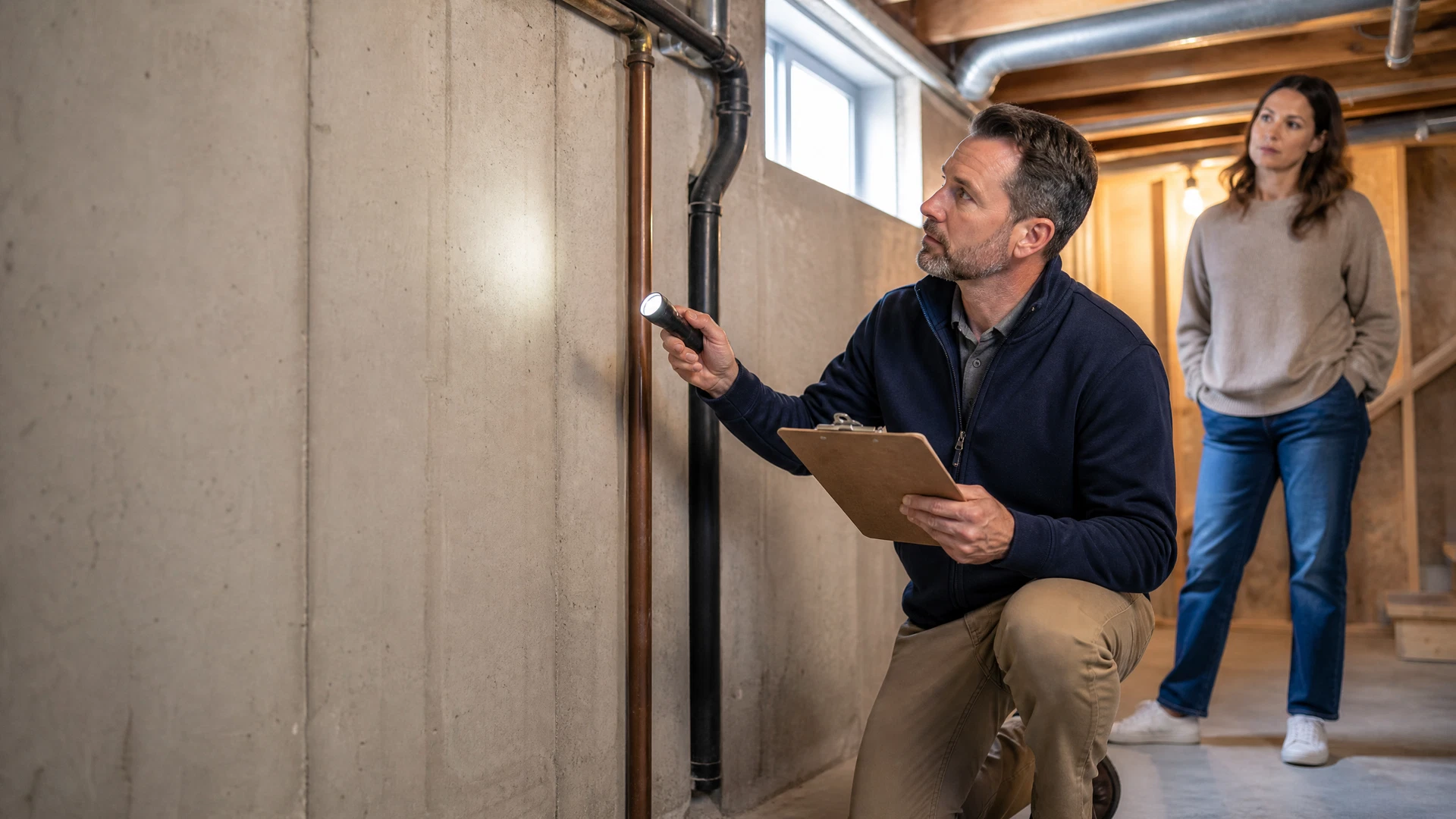
A pre-purchase home inspection in Quebec is the critical step that secures your investment by revealing the actual condition of a property's visible and accessible components before the transaction becomes binding. It identifies signs of hidden defects, major issues, and systems reaching the end of their useful life, providing you with the opportunity to renegotiate the price, request repairs, or withdraw from the sale if the findings compromise the building's value. In a complex market, this technical expertise is your best protection, transforming an emotional choice into a sound and well-informed acquisition.
The Importance of Inspection Within Quebec's Legal Framework
In Quebec, purchasing a property is a significant legal act protected by measures such as the legal warranty of quality. However, to fully benefit from these protections, a buyer must demonstrate due diligence. The Organisme d'autoréglementation du courtage immobilier du Québec (OACIQ) systematically recommends that every offer be subject to an inspection by a qualified professional. This step is a natural part of our comprehensive buying process.
The role of the real estate broker is fundamental here: they have an ethical obligation to advise you to proceed with an inspection. While they may suggest names of professionals, the final choice belongs exclusively to you. A rigorous inspection documents the state of the building at a specific point in time, which is essential should any disputes arise after taking possession through the notary.
How to Select a Qualified Home Inspector
Choosing an inspector is a personal decision that must be based on criteria of competence and impartiality. Since the home inspection profession is not yet governed by a single professional order in Quebec, it is imperative to verify your inspector's credentials.
Essential Selection Criteria
When conducting your research, ensure the inspector meets the following standards:
- Professional Liability Insurance: The inspector must carry valid errors and omissions insurance to protect you in the event of negligence in their report.
- Membership in a Recognized Association: Organizations such as the Quebec Association of Building Inspectors (AIBQ) or the APCHQ impose strict standards of practice and continuing education on their members.
- Service Agreement and Detailed Report: You must sign a contract defining the scope of the intervention and receive a comprehensive report with photos within the delays specified in the offer to purchase.
It is important to note that the terms of broker remuneration are indicated in the brokerage contract and a difference in commission sharing may result in an amount payable by the buyer or be financed in the offer. The payment for the inspector, however, is a direct transaction between you and the professional, ensuring their total independence from all parties involved.
The Inspection Process: What to Check?
A pre-purchase inspection is a visual and non-destructive verification. The expert examines accessible systems without opening walls or lifting permanent floorings. Your presence is highly recommended, as it allows you to see issues in real-time and ask questions.
Critical Points of the Structure and Building Envelope
The inspector will pay close attention to elements that ensure the building's solidity and water-tightness:
- Foundations and Structure: Searching for active cracks, signs of settlement, or efflorescence in the basement.
- Roof and Exterior: The condition of shingles, flashing, siding, and lot grading to ensure proper surface water drainage.
Mechanical Systems and Interior
Equipment functionality is tested to identify immediate risks:
- Plumbing and Electrical: Water pressure, water heater age, panel capacity, and the compliance of visible circuits.
- Heating and Insulation: Performance of heating units and the presence of mold or excessive moisture in the attic.
To prepare, you can consult our home viewing checklist, which helps identify early signs even before the expert arrives.
Specifics Based on Property Type
The inspector's approach varies depending on whether the property is a single-family house, a condo, or a townhouse.
Co-ownership (Condos)
For a condo, the inspection should not be limited to the private unit. Although access to common portions may sometimes be restricted, the inspector should attempt to evaluate the roof and central systems. It is also crucial to analyze the condo documents in parallel.
Regarding Bill 16, obligations related to the maintenance log and the reserve fund study apply according to a specific government schedule. The availability of these documents depends on the date the co-ownership was established and the grace periods provided by current legislation. The inspector can indicate whether the absence of these documents poses a risk to the building's future management.
Single-Family House and Townhouse
Since the buyer is responsible for the entire building, the inspection must be exhaustive, from the roof peak to the foundation footings. The choice between a new construction or a resale home will also influence the points of vigilance, particularly regarding applicable warranties.
Limits of the Exercise and Complementary Expertise
An inspector is a building generalist. If they detect signs of a serious problem, their duty is to recommend a deeper expertise by a specialist (engineer, master electrician). These additional verifications, such as a camera drain inspection or air quality tests, can prevent unforeseen homeownership costs after the purchase.
Negotiating After the Inspection Report
Once the report is received, a rigorous analysis is required. If significant defects are revealed, you have several levers within the framework of real estate negotiation:
- Request for Corrections or Price Reduction: The seller may repair problematic elements or grant a financial compensation to cover the work.
- Withdrawal of the Offer: If the problems are deemed unacceptable, you can terminate the transaction without penalty, provided you respect the contractually agreed delays.
This step is decisive for your overall budget. An inspection report is not a wish list for renovating a house at the seller's expense, but a tool to ensure the price paid reflects the property's actual condition.
Strategic Support with AchatMaisons.ca
At AchatMaisons.ca, we understand that the cost of an inspection is a significant investment. This is why we support our clients in their due diligence process.
When a purchase transaction is concluded with AchatMaisons.ca, a reimbursement of pre-purchase inspection fees may be offered to clients who choose their own qualified inspector, subject to conditions clearly communicated in writing from the start of our collaboration. This initiative ensures that you do not compromise on the quality of your technical verification for the sake of savings.
By combining a rigorous inspection with an analysis of your chosen neighbourhood and a solid mortgage pre-approval, you maximize your chances of success. The inspection remains the most profitable investment, providing the clarity needed to move toward the next steps with confidence.
Taking the time to fully understand the report and discuss it with your broker is the key to avoiding future disputes. The ultimate goal is to ensure the property meets your current needs while remaining a healthy asset for your financial future.